

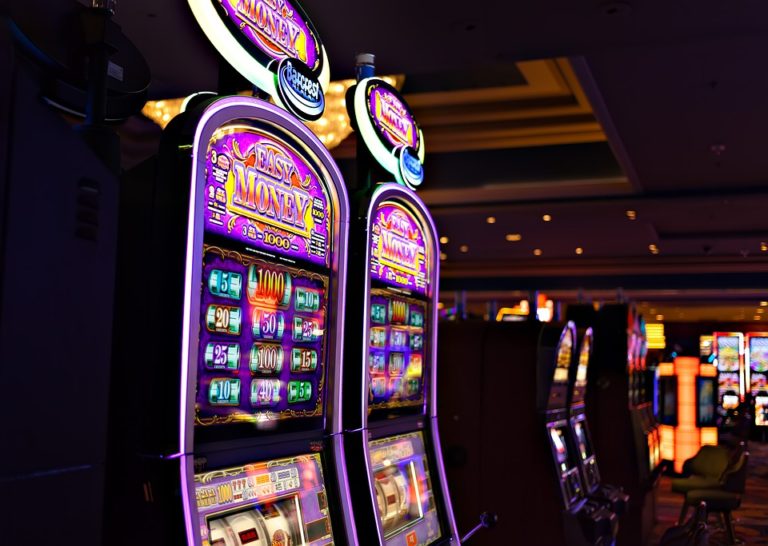
A distinct electricity surges through the online casino world each time a Drop and Win promotion surfaces https://pipersspin.es/bonus/. Unlike conventional bonuses that demand methodical wagering, these campaigns disperse prize pools across a set period, randomly dropping cash, free spins, or tangible rewards into active gameplay. The true beauty resides in their democratic architecture: a high-roller making max bets stands on equal footing with a casual spinner at minimum stakes, as the drop algorithm focuses on only active engagement, not bet size. This turns routine sessions into pulse-quickening treasure hunts in which every spin could trigger an unannounced windfall. The anticipation itself evolves into entertainment, superimposing extra excitement onto already enjoyable games. For operators, these promotions drive sustained activity without the margin erosion of match bonuses. For players, they present a low-pressure pathway to meaningful rewards that appear without warning, transforming ordinary moments into extraordinary memories. The randomness guarantees every session feels alive with possibility, no matter the stakes.
Common Pitfalls and The Way Savvy Players Manage Them
Despite their accessible design, Drop and Win promotions contain subtle traps that can stumble the unprepared. The most common misstep is neglecting to check game eligibility lists, causing hours of play on excluded titles that generate zero qualifying rounds. Wagering requirement confusion also occurs: while cash drops often arrive playthrough-free, bonus drops frequently carry multipliers that savvy players account for their net value calculations before celebrating. Time zone misinterpretation causes some to concentrate play outside active drop windows, confusing UTC or operator-local times. Withdrawal processing delays for larger prizes occasionally startle winners, though operators expedite these payments. Experienced participants bypass these issues through systematic preparation: saving eligibility lists, updating a personal calendar in promotional time zones, and checking terms for wagering conditions before committing. Modern campaigns increasingly offer real-time tracking panels showing qualifying round counts and recent winners, transforming opaque processes into visible systems that boost engagement without sacrificing surprise. This transparency trend aids everyone by setting clear expectations and preventing post-win disappointment.
The Evolving Future of Drop and Win Campaign Design
Advancement in Drop and Win design speeds up as platforms compete for focus. Tailored systems now adjust drop parameters to user choices—free-spins fans get more of those rewards, while cash enthusiasts obtain proportionately more financial rewards, all without compromising random dispersion. Gaming elements incorporate progression following across multiple events, compensating long-term participation with gradual benefits that enhance the random prizes. Live streaming integration introduces communal spectating, where hosts broadcast rounds and spectators qualify for viewer-exclusive drops through https://www.lavanguardia.com/loterias/20231110/9351812/eurojackpot-resultado-sorteo-hoy-viernes-10-noviembre-2023-ctx.html coordinated play. Smartphone-optimized notifications alert participants when contacts trigger big jackpots, building social contagion that draws lapsed players back. Virtual reality tests promise immersive settings where prize drops materialize as stunning visual events rather than plain balance adjustments. These enhancements keep the core unexpected mechanic intact while adding fresh engagement hooks. The creative direction points toward Drop and Win transforming from straightforward random prizes into complex experiential systems combining gambling, social interaction, and surprise delight.
Technological Infrastructure Supporting Next-Generation Drops
Powering these evolving experiences demands continuous investment in backend infrastructure. Modern Drop and Win systems process millions of eligibility checks per second, executing prize allocations in under fifty milliseconds to maintain seamless gameplay. Machine learning components analyze participation patterns to optimize drop scheduling across global time zones, automatically adjusting distribution curves when certain regions show engagement softness. Blockchain integration experiments explore transparent prize pool verification, allowing players to independently audit allocation fairness via public ledgers while preserving instant gratification. Cross-platform synchronization ensures players transitioning between desktop and mobile never miss eligibility windows, with cloud-saved participation states following accounts without interruption. These technical foundations, invisible to end users, determine whether a promotion feels magically seamless or frustratingly inconsistent. Operators who invest heavily in infrastructure quality dominate the Drop and Win conversation, as their campaigns deliver the frictionless experiences modern players expect from premium entertainment products. The result is a promotion that feels like magic, even though it runs on cutting-edge engineering.
Network Promotions Versus Standalone Casino Events
The scale of a Drop and Win promotion fundamentally transforms the player experience. Network-wide promotions aggregate prize pools across numerous casino brands, generating massive jackpots that standalone brands could never fund alone. These extensive campaigns draw players who pursue substantial prizes across several storefronts, although individual win frequency may decrease as participation swells. Individual casino promotions operate within smaller player ponds, boosting personal hit rates but restricting top prize amounts at one-brand financial limits. Reward allocation frequency adjusts in response—network events spread rewards thinner but offer headline-grabbing sums, while standalone promotions offer more regular, smaller payouts. The choice between them entails a personal calculus: players who prefer regular modest rewards prefer standalone models, while those aspiring to game-changing prizes head to network events where million-dollar prizes become possible. Savvy players often mix both, enjoying the consistent excitement of standalone wins while keeping a foot in network jackpots for that chance at a transformative moment.
- Examine overall jackpot amount against estimated participant volume to gauge approximate expected value per qualifying session.
- Check previous prize allocations across affiliated brands to identify whether your preferred operator receives fair distribution within network campaigns.
- Consider time zone overlap with high-activity hours, as network events often focus play during evening times in Europe and North America.
- Assess game eligibility breadth, knowing that network promotions typically include bigger game selections while standalone events may center on dedicated developer deals.
- Combine participation across both formats to experience frequent standalone reinforcement while keeping access to the possibility of cross-brand prizes.
The essential mechanics that make Drop and Win Campaigns work
At their core, Drop and Win promotions depend on sophisticated real-time engines that track thousands of concurrent sessions and award prizes instantly. The technical infrastructure examines games continuously, applying predetermined randomization parameters that control when and where prizes land. Players typically participate simply by playing eligible games during the promotional window, though some networks auto-enroll active accounts. The randomization algorithms are crafted to spread rewards fairly across time zones and player activity patterns, stopping any single region from dominating. The cadence of drops introduces strategic appeal: some promotions reveal fixed schedules with intensified prize hours, while others keep complete unpredictability. Prize pools extend from modest daily allocations to sprawling network-wide jackpots reaching six or seven figures over month-long events. Formats differ as well—cash drops credited as withdrawable funds, bonus drops with minimal wagering, and physical prizes like luxury gadgets or vacation packages. This variety assures that every type of player discovers something to chase, whether they seek instant cash or dream of a surprise holiday.
Fairness in Algorithms and Prize Allocation
The randomization engines fueling these promotions employ multi-layered parity checks to avoid manipulation and ensure equitable distribution. Each qualifying wager participates in a virtual lottery where selection probability is independent of stake size, game volatility, or player history. The systems monitor prize allocation across demographics, automatically correcting any statistical imbalances that emerge. This commitment to algorithmic neutrality means that a newcomer on their first deposit has the same win probability as a veteran with years of loyalty. Independent testing laboratories regularly audit these mechanisms, confirming that random number generation meets regulatory standards and that no hidden weighting distorts outcomes. The transparency builds trust while maintaining the genuine unpredictability that makes winning feel earned. Players recognize knowing their fortunes rely on authentic randomness rather than opaque operator discretion, generating an environment where celebration feels truly warranted when fortune smiles. This democratic design ensures that every spin carries equal potential, regardless of who is behind the screen.
Distinguishing Drop and Win Versus Leaderboard Tournaments
Players often encounter both Drop and Win offers and leaderboard tournaments in the identical lobby, yet the experiences diverge sharply. Leaderboards rank participants by performance metrics like total winnings or points, creating visible hierarchies that motivate competitive types but can discourage those who perceive no path to a prize. Drop and Win formats eliminate these hierarchies entirely, decoupling rewards from measurable performance. A player going through a losing session retains identical drop eligibility to someone on a hot streak, preserving engagement during rough patches. The emotional register varies too: leaderboard climbs generate grinding tension as players track positional shifts and calculate the volume needed to surpass rivals. Drop promotions colombia.as.com substitute that competitive anxiety with buoyant optimism, transforming the mood from adversary-focused strategizing to fortune-inviting receptivity. Both formats merit their place, with leaderboards attracting to achievement-oriented players and drops appealing to those who favor luck-based egalitarianism. Comprehending this distinction enables players move toward experiences matched with their psychological preferences, boosting satisfaction and session quality.
The Psychological Appeal of Variable Reward Systems
Drop and Win promotions tap into fundamental neurological reward pathways that standard bonuses cannot activate. They leverage variable-ratio reinforcement—the same mechanism that powers social media scrolling and loot box thrill. When rewards arrive unpredictably, the brain generates dopamine not only upon winning but also during the anticipatory buildup before each potential drop. This biphasic response generates deeper engagement than fixed-ratio rewards, where outcomes become predictable and emotionally neutral. This uncertainty converts inactive play into active monitoring, with participants checking notifications and exchanging close-call stories in community forums. Social interactions intensify the excitement: when a fellow player shares a big win, the entire community feels shared excitement and renewed hope. This collective emotional landscape transforms individual sessions into shared events, boosting site loyalty. Moreover, the uncertainty removes the annoyance of near-misses that plague fixed promotions. Not receiving a random drop brings no sting because no predetermined path existed, so participants come back after slow sessions confident that chance could turn at any moment without strategic changes.
Tactical Approaches for Maximizing Drop and Win Participation
While luck prevails, veteran players use smart strategies to increase their opportunity to prize drops. Game selection is crucial: they target titles qualified across various overlapping promotions, multiplying reward potential from a single session. Timing is key too—promotional periods often showcase intensified drop activity during launch days and closing hours, creating bookend opportunities that watchful players track. Bankroll management conforms to the format, with many choosing for lower, regular wagers across longer sessions rather than short high-stakes bursts. This approach multiplies the number of qualifying rounds, increasing the chances a drop will activate. Multi-platform participation further enhances opportunity; dedicated players maintain accounts at several partner casinos to multiply their exposure when network-level promotions span multiple operators. Beneath the visible randomness, these strategic layers explain why particular names show up often on winner lists: they recognize that optimizing opportunity volume counts, even when individual outcome timing stays beyond control.
- Choose games eligible across numerous overlapping promotions to compound reward potential from a individual wagering session.
- Watch promotional calendars for launch day and closing day intensity spikes, allocating additional playing time during these typically dense drop periods.
- Arrange bankroll deployment across longer sessions with smaller individual wagers rather than concentrated high-stakes bursts to increase total qualifying rounds.
- Keep active accounts across several operator partners when network promotions cover multiple casino brands simultaneously.
- Record personal drop-triggering patterns using session logs to pinpoint whether certain game types or time windows match with personal win frequency.